-

Oct
22
Interpretive Summary: Advancing sustainable beef through research and collaboration
Sustainability can be defined as meeting our needs today without compromising our capabilities to meet our needs in the future (Brundtland, 1987). Classically, sustainability encompasses environmental, economic, and social pillars and the interactions and trade-offs therein.
Read more
-
Oct
22
Interpretive Summary: Toward lower-emission beef production: research gaps and opportunities

In recent years, there have been significant public and policy commitments to reduce greenhouse gas (GHG) emissions from all industry sectors. This has been driven by an increasing concern over the changing climate and the role that anthropogenic emissions play in this process.
Read more
-
Oct
22
Interpretive Summary: Cattle production, water resources, and sustainability: a review of current knowledge and future directions

Cattle production is a cornerstone of U.S. agriculture, but it faces growing scrutiny regarding sustainability. A key driver of industry adoption of more sustainable production systems is consumer demand for environmentally responsible food products, along with evolving opportunities for market differentiation (Ishaq et al., 2024).
Read more
-
Oct
22
Interpretive Summary: Innovation in the U.S. beef value chain: a sustainable beef research roadmap
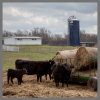
The United States is a major global beef supplier, operating a highly diverse production system that spans extensive rangelands and intensive feedyards. Figure 1 provides a conceptual overview of the U.S. beef supply chain, illustrating the major production stages and their connections from cow-calf through feedyard and processing, consistent with established descriptions of the supply chain in the literature (Thoma et al., 2017; Asem-Hiablie et al., 2019; Rotz et al., 2019).
Read more
-
Oct
22
Interpretive Summary: Applying landscape and jurisdictional approaches for nature positive outcomes in beef-producing landscapes

Beef-production systems play a key role in the intersection between food production, biodiversity conservation, and preservation of ecosystem functions (Gerber et al., 2015). As global interest in the concept of “Nature Positive” increases, in parallel to an increasing world population and demand for protein sources, it will be necessary to ensure that beef-producing landscapes contribute to the Kunming-Montreal Global Biodiversity Framework (GBF) mission of “halting and reversing” global biodiversity loss (Convention on Biological Diversity, 2022).
Read more
-
Oct
22
Interpretive Summary: Harnessing genetic potential to advance sustainability in beef systems

Global beef systems have undergone enormous changes in recent decades, steadily increasing in outputs while holding inventory relatively steady (Steinfeld et al., 2010). This progress has been in no small part due to improvements to genetic potential across many traits. As industries around the world work to produce high-quality protein while balancing economics, animal well-being, and environmental impact, genetic improvement will be an even more important driver.
Read more
-
Oct
15
Interpretive Summary: Effects of daytime versus nighttime feeding on nutrient digestion, blood biochemical parameters, gastrointestinal microbiota, and metabolites in sheep

Sheep exhibit a nocturnal peak in growth hormone secretion with regular circadian fluctuations, making the study of feeding time effects on their physiological functions highly important and practical. This study assigned 12 Dorper × Hu crossbred rams to daytime and nighttime feeding groups to explore how feeding patterns affect their digestive metabolism, blood parameters, intestinal microflora, and metabolites.
Read more
-
Oct
15
Interpretive Summary: Supplementation with Bacillus-based direct-fed microbials for developing beef heifers: impacts on fecal and vaginal microbiome, growth, and reproductive performance

Developing beef replacement heifers into productive mature animals requires nutritional strategies that support adequate growth, timely puberty, and optimal pregnancy outcomes. Direct-fed microbials (DFM), particularly spore-forming Bacillus species, can improve forage digestibility and host performance by modulating the gut microbial community.
Read more
-
Oct
15
Interpretive Summary: Influence of dietary inclusion of black soldier fly larvae protein hydrolysates on nutritional indicators and cardiac-related biomarkers of adult beagle dogs

Protein hydrolysates have been used in the pet food industry for years. Recently, insects have demonstrated their potential antioxidant and antihypertensive activities, which may be enhanced through enzymatic hydrolysis, generating new functional peptides.
Read more
-
Oct
15
Interpretive Summary: Multidimensional welfare profiling of broiler leg health under probiotic or antimicrobial growth-promoter supplementation and environmental enrichment

Leg health is one of the main welfare challenges in modern broiler production because fast-growing birds are more likely to develop locomotion and skeletal problems. Most studies evaluate only one or two indicators, which can make it difficult to understand the overall welfare response to different management strategies.
Read more
-
Oct
15
Interpretive Summary: Shearing during early mid-gestation improves umbilical blood flow and fetal size in ewes carrying multiples

Shearing pregnant ewes is commonly done to improve cleanliness around lambing, but it may also influence how lambs grow before birth. In this study, we evaluated whether shearing ewes early in pregnancy (around day 50) affects blood flow to the developing lamb, fetal growth, and lamb performance after birth.
Read more
-
Oct
15
Interpretive Summary: Early signs of lameness in dairy cows revealed by milking and behavioral data using generalized additive mixed models

Lameness is a major issue affecting welfare, milk production, and farm economics in dairy herds, and early detection is a challenge in commercial conditions. This study analyzed routine milking and behavioral data from 67 lame cows to investigate changes occurring prior to clinical detection.
Read more
-
Oct
14
The Giving Herd - ASAS Foundation Newsletter - October 2026

The October Edition of The Giving Herd, an ASAS Foundation Newsletter
Read more
-
Oct
08
Interpretive Summay: Substitution of dried distillers’ grains with canola meal in cattle finishing diets affects amino acid intake but does not affect post-ruminal amino acid flow and digestibility

Dried distillers grains with solubles (DDGS) are commonly used as a protein source in finishing cattle diets; however, increased availability of canola meal (CM) from biodiesel production has increased interest in CM as an alternative protein source. This study evaluated the effects of replacing DDGS with CM on nutrient and amino acid (AA) intake, flow, and digestibility.
Read more
-
Oct
08
Interpretive Summary: Available energy and nutrient apparent total tract digestibility of full-fat rice bran fed to gestating and lactating sows

Full-fat rice bran (FFRB) is a valuable feed alternative, but its available energy values for gestating and lactating sows remain poorly defined. Although the substitution method is widely used to determine the energy content of feed ingredients, the optimal inclusion level of FFRB in sow have not been clearly elucidated.
Read more
-
Oct
08
Interpretive Summary: Effects of dietary essential oils-organic acids preparation alone and in combination with NSP enzymes on growth performance and intestinal microenvironment of broilers
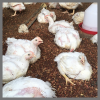
With policies restricting antibiotic overuse becoming mainstream, farmers are turning to non-antibiotic feed additives to maintain poultry health. Based on this trend, this study evaluated the effects of supplementing wheat-based broiler diets with essential oils-organic acids mixture (EOA) alongside enzyme preparations.
Read more
-
Oct
08
Interpretive Summary: Effects of linoleic acid and its trans-10 biohydrogenation intermediates (trans-10, cis-12 conjugated linoleic acid and trans-10 18:1) on lipogenic gene expression and Δ9-desaturation indices in bovine intramuscular adipocytes

Marbling is the main determinant of beef quality and palatability and is affected by feeding practices. Corn-based diets are commonly fed to cattle to support faster growth and contain high amounts of starch and linoleic acid. Together, these dietary characteristics alter how fats are processed in the rumen, leading to ruminal formation of fatty acids such as trans-10, cis-12 conjugated linoleic acid (t10, c12-CLA) and trans-10 18:1 (t10-18:1).
Read more
-
Oct
08
Interpretive Summary: A randomized, double-blinded trial to evaluate two therapeutic foods as adjunctive therapies in dogs with environmental and/or food-induced atopic dermatitis

Canine atopic dermatitis (cAD) typically requires lifelong management using a combination of medications, topical therapies, and allergen-specific treatments. To determine if targeted nutrition can help manage this condition, researchers evaluated the effects of two therapeutic veterinary foods on 39 dogs with cAD over an 8-wk period.
Read more
-
Oct
08
Interpretive Summary: In vitro investigation of host Synaptogyrin-2 role in BVDV-1 replication

Bovine viral diarrhea virus type 1 (BVDV-1) is a widespread viral infection responsible for large economic losses in cattle herds. In this study, a knock-out (KO) gene edited cell line targeting the Synaptogyrin-2 (SYNGR2) gene was generated via CRISPR-Cas9 to test the role of this gene in BVDV-1 replication.
Read more
-
Oct
08
Interpretive Summary: Characterization of the growth curve of free-range turkeys using linear and non-linear models in locally adapted versus commercial hybrid genotypes

The domestic turkey is a major species in the international poultry meat industry. Although free-range, organic-like systems are rising in popularity, little research has been conducted in this regard. That is the case of the effect of uncontrolled rearing systems on turkey growth, which is still an understudied field.
Read more