-

Jun
18
Interpretive Summary: The role of gut permeability in livestock
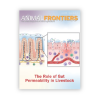
The gastrointestinal tract has long been understood as the primary site for both nutrient absorption and a barrier to protect from the entry of foreign substances into the circulatory system. With the declining use of antibiotics in livestock feed there has been an increasing focus on “gut health” to enhance overall health and well-being via dietary and other means to optimize animal production and welfare.
Read more
-
Jun
18
Interpretive Summary: The role of gut permeability in livestock: methods to study the effects of stress on gut permeability and energy consumption

Gastrointestinal (GI) permeability plays a central role in livestock health and productivity. The intestinal epithelial barrier regulates nutrient absorption, immune surveillance, and protection against pathogens. Stressors such as heat, weaning, dietary changes, and infections can compromise barrier integrity, leading to increased permeability, altered energy metabolism, and reduced performance (Lambert, 2009).
Read more
-
Jun
18
Interpretive Summary: Assessing gut barrier integrity in ruminants: structural, functional, and immunological approaches
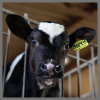
The gastrointestinal tract (GIT) of ruminants represents one of the most complex and energetically demanding organ systems in the animal body. It functions not only as the site of digestion and nutrient absorption but also as a critical immune barrier, housing approximately 70% of the body’s total immune tissue (Vighi et al., 2008).
Read more
-
Jun
18
Interpretive Summary: Implications of leaky gut in cattle

In recent years, leaky gut has emerged as a common denominator for seemingly unrelated challenges experienced by farm animals. Conditions such as heat stress, infectious diseases, feed restriction, and psychological stress have all been linked to disruptions in the gastrointestinal (GI) barrier function (Horst et al., 2025).
Read more
-
Jun
18
Interpretive Summary: Research summary: influence of immune and oxidative stress biomarkers ins the jejunal mucosa on growth performance of nursery pigs

The jejunum is the primary site of nutrient digestion and absorption. In the context of animal production, the efficiency of nutrient digestion and absorption heavily influences growth rates providing economic advantages to producers (Campbell et al., 2013; Patience et al., 2015). In addition, the jejunum is a part of the gastrointestinal tract, the largest immune organ in the body, that directly interacts with dietary and environmental antigens and toxins.
Read more
-
Jun
17
The Giving Herd - ASAS Foundation Newsletter - June 2026

The June Edition of The Giving Herd, an ASAS Foundation Newsletter
Read more
-
Jun
11
Interpretive Summary:Effects of stocking density on growth, physiological, and puberty responses of replacement beef heifers reared in drylots

Replacement beef heifers are often reared in drylots to facilitate feeding and management, or to intensify beef production as availability of grazing areas becomes limited. Our research group demonstrated that rearing heifers in drylots with high stocking density (14 m2/heifer) delayed puberty attainment compared with pasture-based systems, largely due to chronic stress associated with confinement.
Read more
-
Jun
11
Interpretive Summary: Can antioxidants’ supplementation modulate the impact of dietary deoxynivalenol and zearalenone co-contamination on the systemic and mucosal immune response of weaned pigs?

Deoxynivalenol (DON) and zearalenone (ZEA) are among the most common mycotoxins that can contaminate feed and have detrimental impact on pig health. This study aimed to evaluate the effects of a diet containing DON and ZEA at 2.8 ± 0.3 and 1.20 ± 0.4 mg/kg, respectively, on the systemic and intestinal immune response in weaned pigs, as well as the ability of antioxidant (AOX) supplements such as vitamins, Se and quercetin to restore the normal immune status.
Read more
-
Jun
11
Interpretive Summary: Multivariate structure of semen quality and growth performance in Limousin beef bulls: a CoSTATIS approach

Beef cattle breeding programs often evaluate both growth performance and reproductive traits when selecting future breeding bulls. However, it is not always clear whether these two aspects of performance are closely related or largely independent.
Read more
-
Jun
11
Interpretive Summary: Feeding additive Mosla chinensis Maxim. essential oil modifies the growth performance, antioxidant indices, and meat quality of yellow-feathered chickens

Mosla chinensis is an aromatic herb used in traditional Chinese medicine; its essential oil has known antioxidant and antimicrobial properties. We investigated whether adding this essential oil to chicken diets at a range of inclusion levels could improve growth, antioxidant status, and meat quality in yellow-feathered chickens.
Read more
-
Jun
11
Interpretive Summary: Assessing alternative metrics of methane output measured in a multi-breed, pasture-based sheep population

A significant portion of the world’s methane emissions come from agriculture, the majority of which are produced by ruminant animals. Accurate measurement of these emissions is therefore a critical focus for advancing sustainable farming practices. However, as it stands, there is no consensus in the literature regarding the optimal method to define methane emissions in sheep.
Read more
-
Jun
11
Interpretive Summary: Haplotype GWAS in Swedish warmblood horses for conformation and jumping traits

The Swedish Warmblood is a sport horse breed, valued for its performance, rideability, and temperament. To improve breeding, it is important to understand the genetic background of traits linked to sport performance. However, these traits are influenced by many genes, making them difficult to study.
Read more
-
Jun
11
Interpretive Summary: Genetic insights into enteric methane emissions in indoor-fed growing cattle

Reducing enteric methane emissions from beef cattle is an important step toward making livestock production more sustainable. One potential strategy is to select animals that naturally produce less methane. However, methane emissions are often linked to other traits, such as how much animals eat or how fast they grow—traits that are already part of many national breeding programs.
Read more
-
Jun
04
Interpretive Summary: Dietary factors influencing zinc excretion in pigs: a meta-regression analysis

Zinc is an essential micromineral for pigs, playing a critical role in various physiological reactions. Although multiple nutritional guides provide recommendations for dietary zinc, the swine industry commonly uses higher dietary zinc levels to improve growth performance in post-weaning diets, a practice that has been increasingly questioned in multiple countries.
Read more
-
Jun
04
Interpretive Summary: Predicting individual water intake in beef cattle using longitudinal data and long short-term memory models

Water is a vital nutrient for beef cattle, but we still lack accurate tools to predict how much water an individual animal needs each day. This matters because cattle are raised in a wide range of climates, and water availability is becoming less predictable with climate change.
Read more
-
Jun
04
Interpretive Summary: Associative effects of external buffers and plant secondary metabolites on ruminal fermentation during an induced subacute ruminal acidosis challenge in beef steers

Meeting the growing global demand for animal protein requires improving livestock productivity. However, diets designed to increase cattle performance can sometimes upset normal digestion and create environmental challenges. This study evaluated feed additives, including buffering agents and plant extracts (tannins and saponins), as tools to improve nutrient use and reduce digestive disturbances in cattle.
Read more
-
Jun
04
Interpretive Summary: Determination of the relative bioavailability of potentiated zinc oxide in sheep

Zinc is an essential mineral added to livestock diets to support growth and efficient nutrient use. This study compared a novel zinc oxide product with zinc sulfate, a commonly used zinc supplement, to evaluate how effectively each source would be utilized by wethers.
Read more
-
Jun
04
Interpretive Summary: High-throughput in vitro prediction of available energy in feed ingredients for pigs using a novel computer-controlled digestion system

Determining the available energy content of feed for animals is critical; however, in vivo methods are time-consuming, costly, and technically complex. This study evaluated an automated computer-controlled simulated digestion system (CCSDS), designed to simulate the digestive processes of growing pigs under laboratory conditions. The system was used to analyze 20 common pig feed ingredients.
Read more
-
Jun
03
Interpretive Summary: Perinatal short-chain fructo-oligosaccharide supplementation to sow affects colostrum quality, and consequently microbiota composition and performances of progeny

The nutrition of sows during late pregnancy and lactation can influence the gut microbiota colonization of their piglets, which is important for their future growth performance. This study examined whether supplementing short-chain fructo-oligosaccharides (scFOS), a prebiotic fiber, in the diet of sows during the last weeks of gestation and the lactation period could improve the quality of the milk and support the growth of their piglet.
Read more
-
Jun
03
Interpretive Summary: Standardized ileal digestibility of amino acids in four egg products and casein fed to weanling pigs

During the transition from milk to solid feed, the digestive system of young pigs is not yet fully developed. At this stage, the provision of highly digestible protein sources is critical, as inadequate protein digestion can disturb gastrointestinal function. Eggs contain high-quality protein, but raw eggs contain natural trypsin inhibitors that interfere with protein digestion.
Read more